Skip to content

What to take on a saltwater boat trip, from Norway to the Gulf

Whether you are heading to a Norwegian fjord or a charter out of Florida, the rule is the same: bring two outfits, and match your jig weights to the depth.

Boat trips reward simple gear that works. Ask your skipper about depth and target fish before you pack.

Two outfits

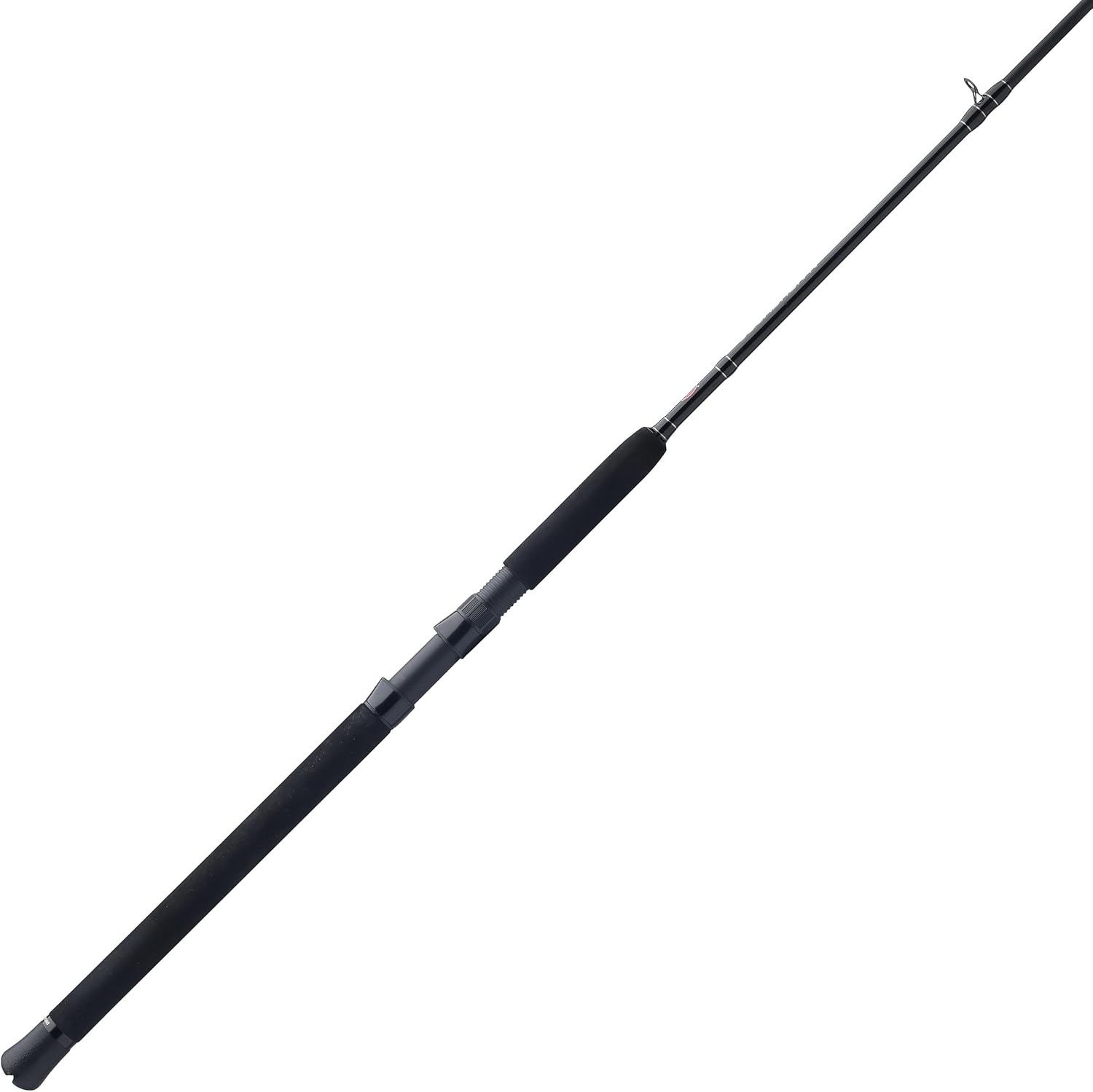
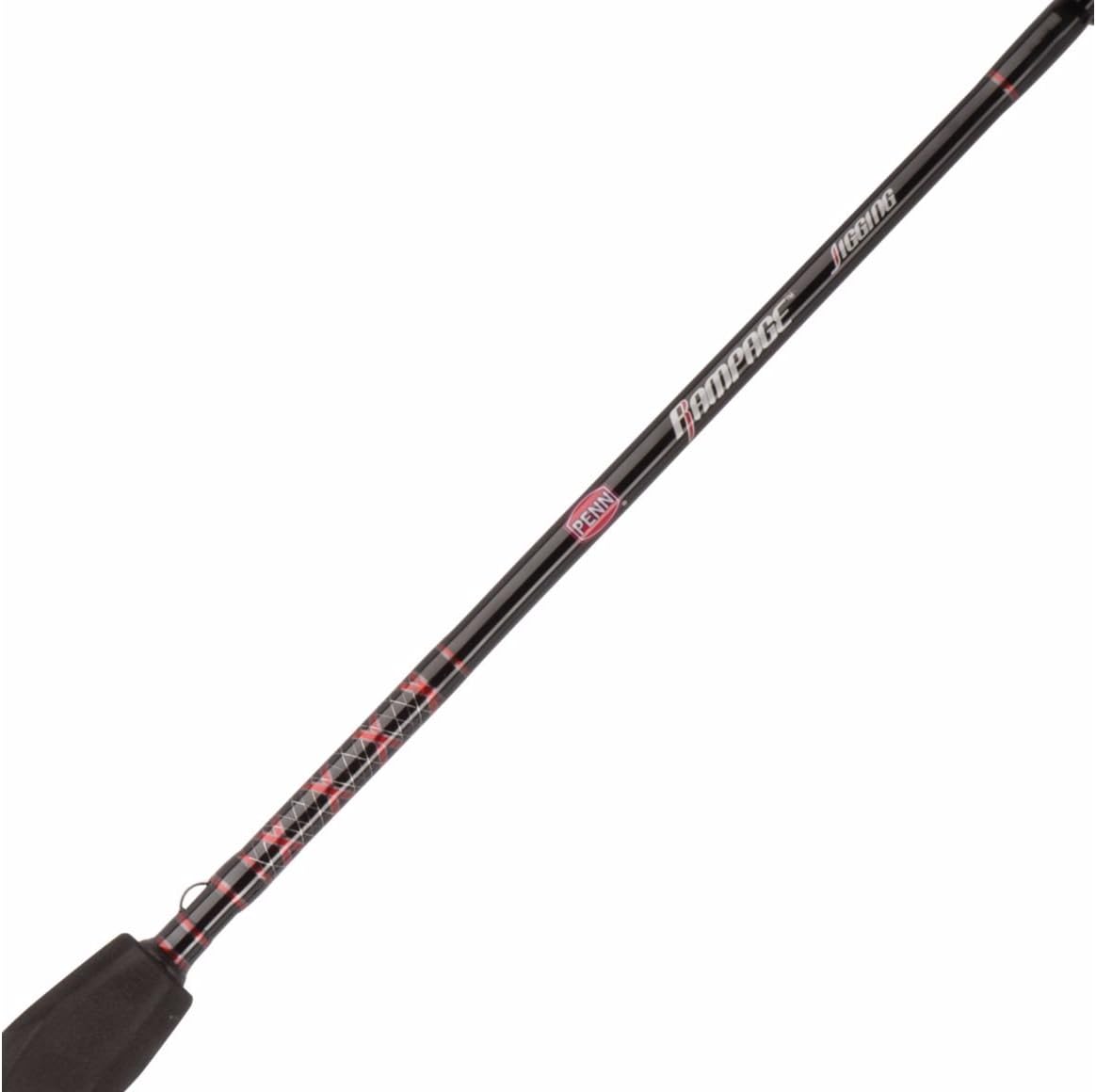
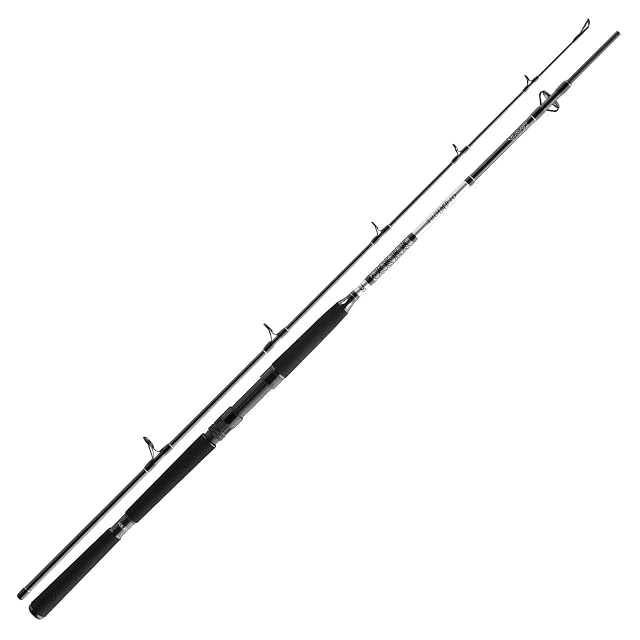
Take a light rod for bottom fish and a heavier one for jigs. For heavy jigging, the Penn Rampage is rated 6 to 10 oz. In Norway, jigs can run heavier, and the two-piece Daiwa BG Offshore handles up to 14 oz and packs small.

A lighter option

The Penn Squadron IV Boat suits flounder and sea bass on 8 to 15 lb line, a good choice for nearshore trips.

Reels and line

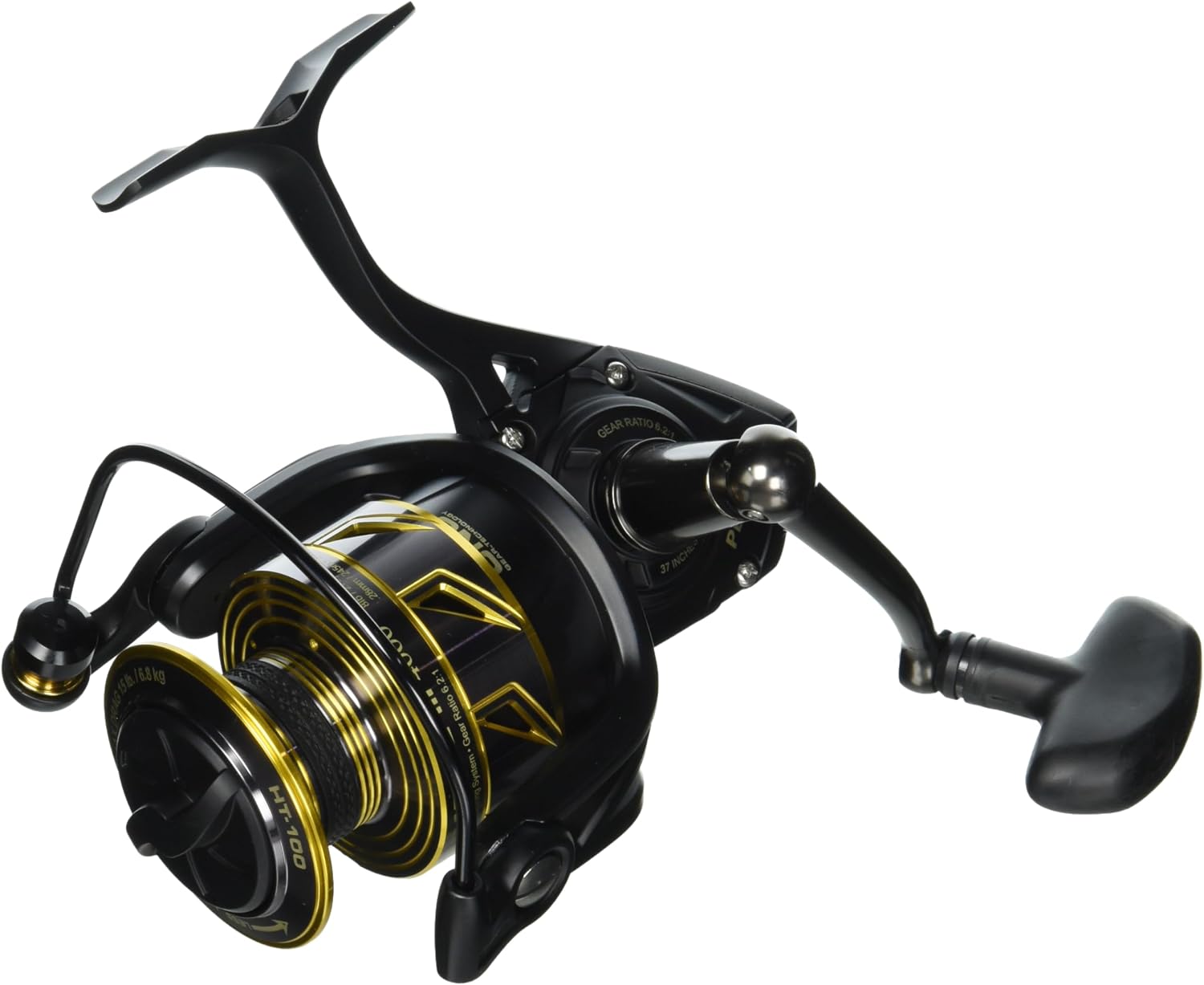
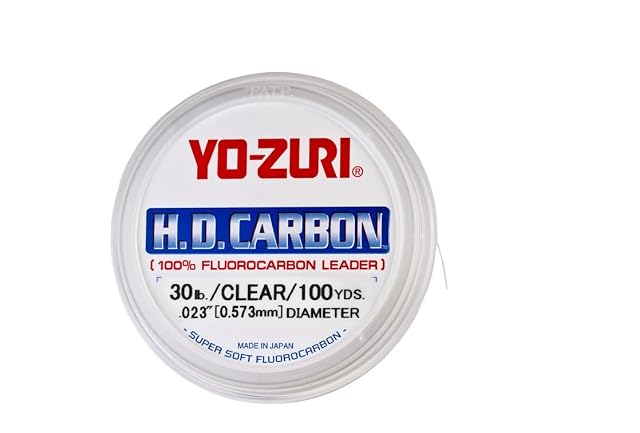
For spinning, a metal reel like the Penn Battle IV handles salt. Use braid for depth, with a fluorocarbon leader; the Yo-Zuri H.D. Carbon suits big fish.

Things people forget

Spare hooks, pliers, a sharp knife and sunscreen. Bring seasickness tablets, and take them before you board. Layers and waterproofs matter, especially in Norway, where it is cold on deck even in summer.

Rules

Check catch limits and export limits. Norway limits how much fish you can take home, and US states and federal waters each have their own rules.
The list, and the reason for its order

What this guide leaves open

Do I need my own rods on a charter?

Most charters supply rods. Ask first, and bring your own only if you prefer them.

What jig weight do I need?

Roughly an ounce for every 10 to 15 ft of depth in moderate current, but ask your captain.

Braid or mono?

Braid for deep water, since it stretches less. Mono is more forgiving for trolling.

Each rod, and the water it was chosen for

Daiwa 11928-211 · $221

For fishing: Anglers who already fish European-style pirks and want a light two-piece boat rod

Best point: The lightest rod for its weight rating on this shelf, at 7.76 oz

Worst point: No line class, which US anglers expect

Read the full review: Daiwa 11928-211 →

What each band of spending lands

The short cast

Comparisons that narrow it down

Rod against rod, where that comparison already exists here.

How this list was drawn up

The tackle here is taken from the catalog of this site. Specifications are those the maker and the Amazon listing publish; prices are what Keepa recorded on the date below, and both move. The order rests on declared specifications, on the weight of stated strengths against stated limits, and on price. Nothing here has been cast by us, and nothing on this page says it has.

Last checked on

The figure beside a product asked the shop for itself the moment this page opened; a figure inside the text has sat still since the sentence was written, and the first of the two is the one to trust.