Electronics
Reading the water, before a line goes in
Electronics in this guide fall into two groups that look alike and answer different questions. A sonar tells you the shape of the bottom and whether there are returns above it. A camera tells you what is actually there, for a few meters. Knowing which question you have is most of the purchase.
By Jean-Benoit Buisson
Two questions, and they need different instruments.
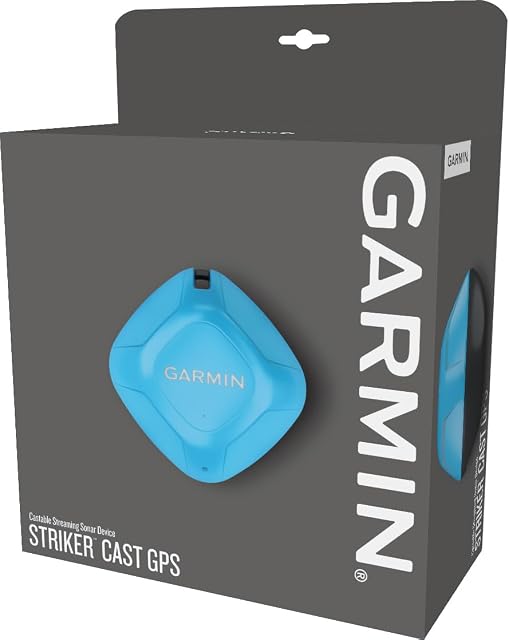
1. The castable sonar that publishes everything
Depth to 148 ft (45 m), shallow from 23.6 in (60 cm), 197 ft (60 m) of wireless range, contour maps with 11.8 in (30 cm) depth lines, more than ten hours of battery over USB, and a float that switches itself on in the water and off when lifted out.
And one figure nothing else in this guide publishes: the line it needs, rated 19.8 lb (9 kg) or more. A castable sonar is a cast weight. It loads the rod, it hits hard and it snags, and this is the only listing that admits it engages your tackle.
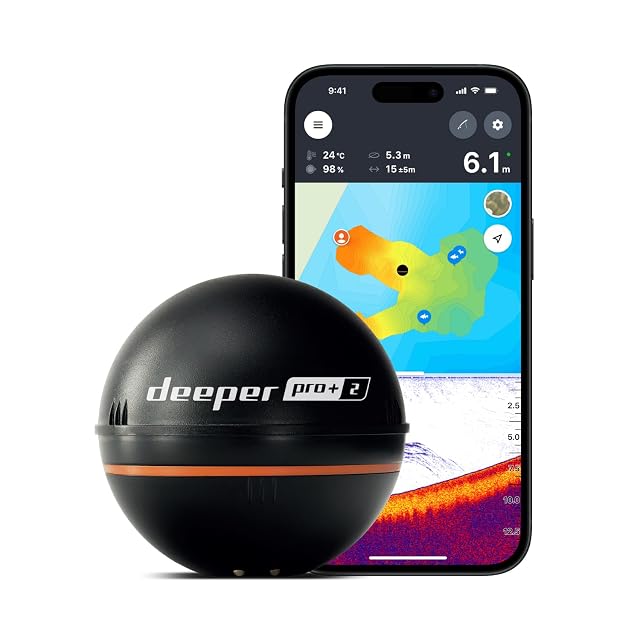
2. The one that separates targets
1 cm on the narrow beam, 0.94 in (2.4 cm) on the wide and medium. Two returns a centimeter apart show as two returns.
Over silt or in weed, that is the difference between a picture and a guess — a fish sitting just off the bottom reads as a fish rather than as bottom. It is the only target separation published in this guide.
What it does not publish: a depth range or a battery life. Three beams, its own WiFi and an integrated GPS for building maps by casting and retrieving — and two blanks where those figures should be.
3. The camera, and its honest range
Clear detail within 1 to 3 meters.
Seven cameras on that shelf and one of them tells you how far it actually sees. Its cable is 49.2 ft (15 m), which is how deep the camera goes — a different number from how far it looks, and only one seller prints the second.
A 7-inch IPS monitor with a built-in sunshade, a 1200TVL camera, 165°, six white LEDs and six infrared, IP68. Use it to see what a sonar found: weed or gravel, bream or bass.
4. The boat that tows a sonar
A bait boat carrying 3.3 lb (1.5 kg) of bait on a 5200 mAh battery, with twin motors that correct yaw to hold a line in wind — and an LCD sonar reading a 90° cone to nearly 328 ft (100 m).
The sonar sensor ties to the stern funnel with fishing line. That is unusual candour: the two are sold together without pretending to be one object.
What none of them replaces
Watching the water. A sonar will not show you a fish topping at dusk, and every one of these has a battery.